At the APEC CEO Summit in Shenzhen on November 17, 2026, Chinese business leaders discussed the potential of AI and robotics—and the difficulty of turning rapid technical progress into profitable, large-scale applications. This account reflects reporting published on November 18, 2026.
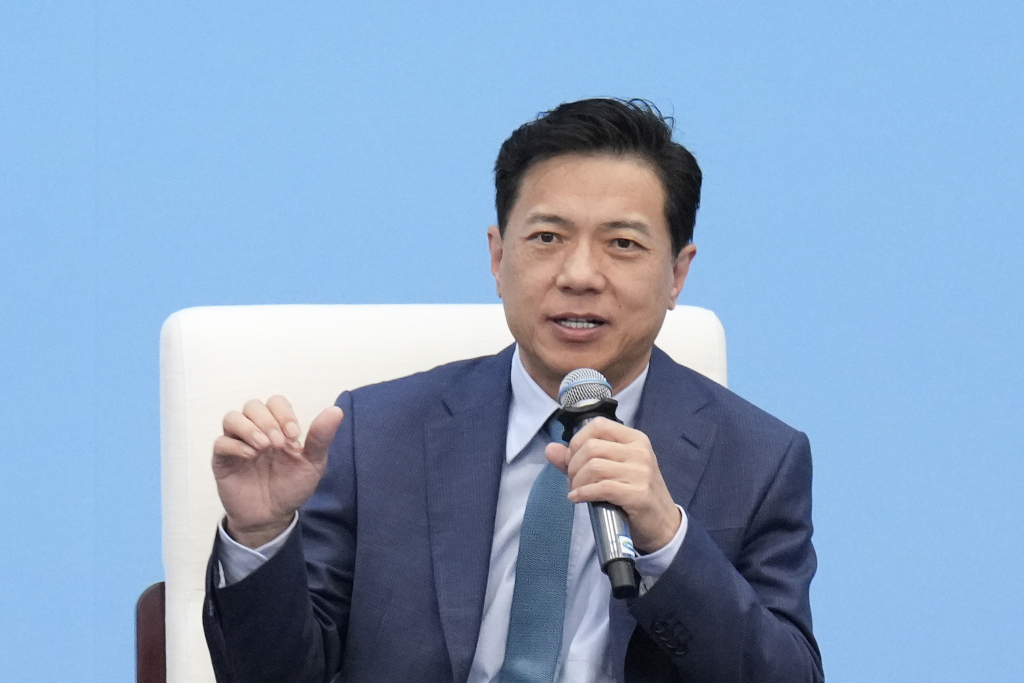
Baidu chief executive Robin Li said AI investment, computing costs and token consumption had risen rapidly over the preceding three years, while adoption in practical applications had fallen short of expectations. Many companies using AI had not seen clear gains in revenue or profit, he said. Xiaomi founder Lei Jun likewise said that, despite heavy investment, relatively few companies had established a profitable AI business model.
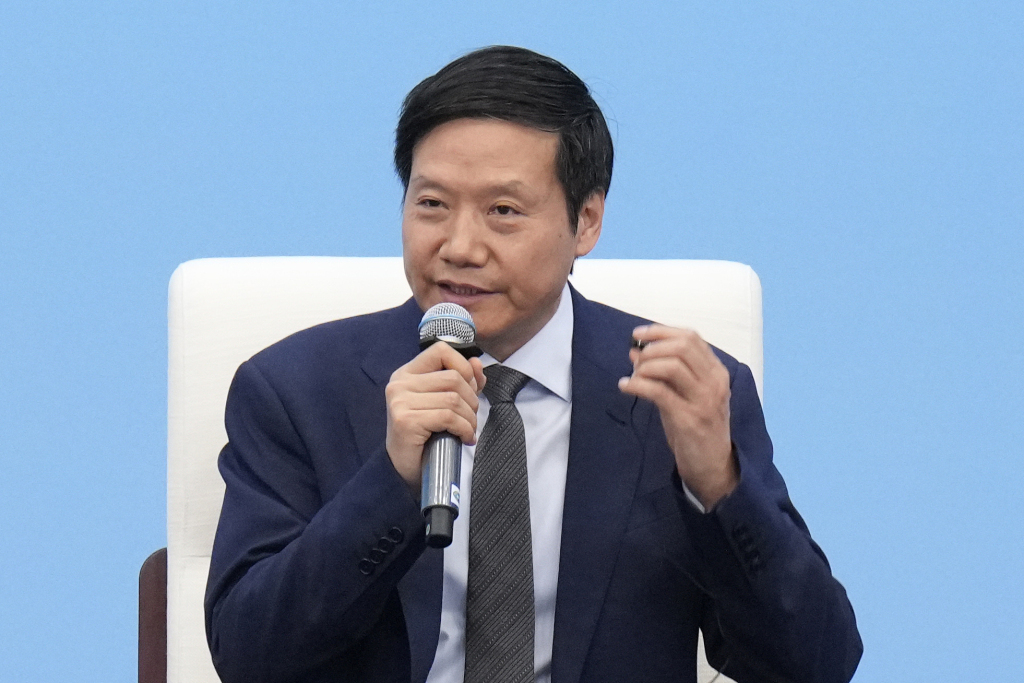
The executives also described potential uses. TCL founder Li Dongsheng said the company’s use of AI and large models in semiconductor-display manufacturing had generated approximately 2.5 billion yuan in benefits over the preceding three years. Lei said Xiaomi had worked on robotics for six years and that one of its embodied-AI robots had recently completed an eight-hour factory shift, charging itself twice.
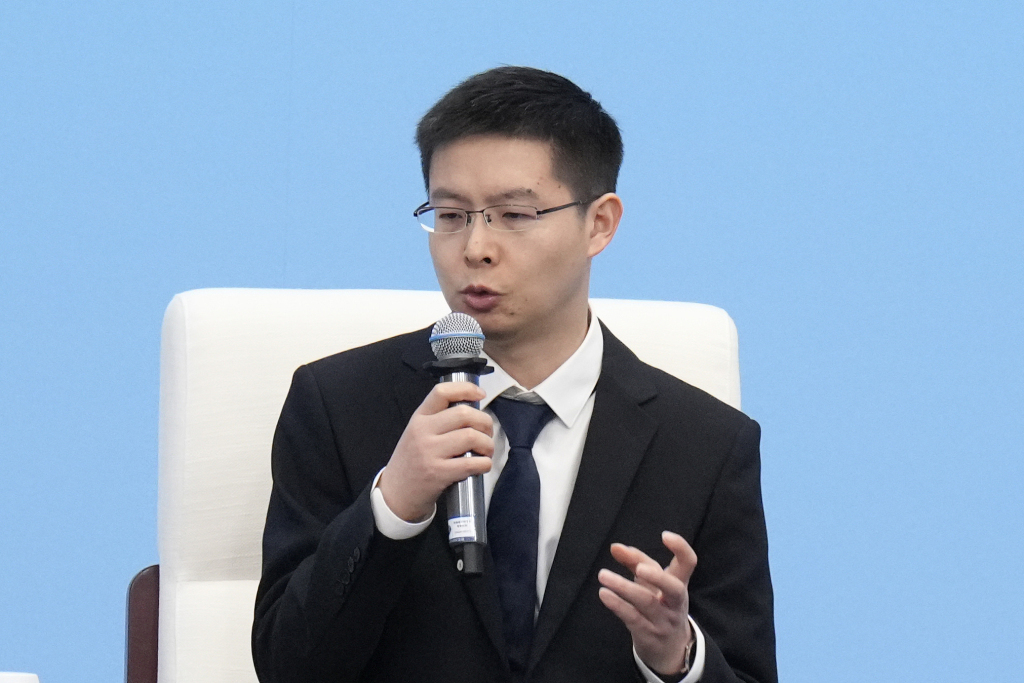
Unitree founder Wang Xingxing urged attention to the industry’s longer-term scale rather than its current market share, but identified obstacles to expansion. Robots often need retraining when moved to a new setting, he said. If annual demand were to rise from tens of thousands of units to millions or tens of millions, manufacturing, reliability and after-sales service would face major tests. UBTech founder Zhou Jian also pointed to the need for local adaptation and agreement on ethical standards as humanoid robots enter workplaces and homes.
On cross-border business, BYD chairman Wang Chuanfu argued that Chinese manufacturing could complement local economies rather than displace them. Citing Chile, he said China purchases copper and lithium there while supplying electric buses. His account was an argument for mutual benefit, not an independently established measure of local economic impact.
The speakers also emphasized regional supply chains. Lei said Xiaomi’s cars and phones rely on thousands of components brought together through global cooperation. Shun Tak Holdings executive chair Pansy Ho described the Greater Bay Area as a possible testing ground for deeper APEC economic integration, citing its transport links and differing legal and monetary systems.