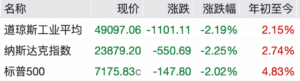
Anthropic’s shares rose 17% from their IPO price on their first trading day, and the offering raised more than $81 billion, according to CNBC’s November 19, 2026 report. But the debut did not reverse a broader sell-off in technology stocks: the Nasdaq Composite fell 2.25%, while the S&P 500 dropped 2% to 7,175.
Investors had hoped the largest IPO in U.S. history would restore confidence in the AI trade after months of uneven trading. Instead, concerns about export controls and the economics of AI businesses remained in focus.
On Thursday, short-seller Hunterbrook Media alleged that firmware sold by AMD had turned up at companies on a U.S. blacklist. AMD, whose shares closed down more than 7%, told CNBC it complies with U.S. law. Separately, documents released by the House Foreign Affairs Committee showed that a Commerce Department subagency had approved sales of more than 879,000 AI chips to Chinese companies, raising concerns about whether tighter controls could slow future sales to Asia.
Dan Niles, founder of Niles Investment Management, said a price war between Anthropic and OpenAI was weighing on their revenue and profit prospects. According to figures he gave CNBC, their combined sequential revenue growth slowed from 75% in the second quarter to 48% in the third, while their combined losses rose from $7.9 billion to about $8.4 billion.
The weakness extended beyond chipmakers. CoreWeave, an AI-focused cloud provider, closed down more than 6%, and Alphabet and Amazon also fell. Cybersecurity stocks were an exception, with Palo Alto Networks and CrowdStrike closing higher.
JJ Kinahan of Cboe Global Markets described the decline as a broader reassessment of AI stocks, rather than simply a shift of money into Anthropic. He said Anthropic’s next trading days would offer another test of demand, particularly when options trading was expected to begin on Monday, November 23. That remained a prospective gauge—not evidence, as of the November 19 report, that the wider AI trade had recovered.