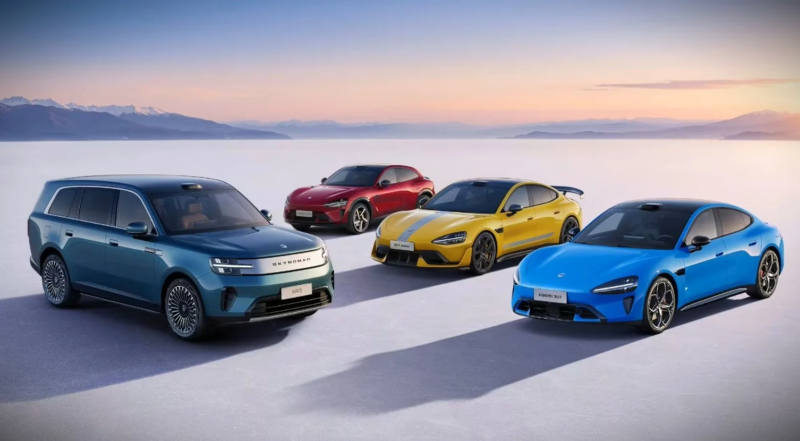
Xiaomi is looking for car dealers in more European countries and has indicated that Britain is among the markets it is considering, Bloomberg reported on Nov. 25, 2026. Germany has a confirmed launch window: Xiaomi plans to begin electric vehicle sales there in the third quarter of 2027. It has not announced a British launch date.
Britain has not matched the European Union’s additional duties on Chinese-built electric cars, but Xiaomi does not yet sell a right-hand-drive vehicle. Its timetable calls for entry into right-hand-drive markets in the first half of 2028. Hiring for legal and finance roles in Sydney is already under way for the Australian rollout.
What it will cost to sell in Germany
Xiaomi has signed memorandums of understanding with eight German dealer groups. These are preliminary agreements, not binding sales contracts. Selling through independent dealers would mean sharing some of the margin Xiaomi retains in mainland China, where it operated more than 520 new-energy vehicle sales centers at the end of September 2026.
Import duties pose a separate pricing decision. The EU charges a 10% base tariff on Chinese-built electric cars, plus countervailing duties ranging from 7.8% to 35.3%. Xiaomi has no individual rate. CarNewsChina puts its combined duty at 45.3%, applying the rate for companies that did not participate in the EU’s anti-subsidy investigation. Passing the cost on would raise the price for German buyers; absorbing it would reduce Xiaomi’s margin.
The United Arab Emirates offers a comparison, though not a forecast for Germany. Distributor Gargash Prime lists the SU7 at 169,900 dirhams, about $46,263, compared with its Chinese sticker price of 219,900 yuan, about $33,011. That roughly 40% premium is in a market without a countervailing duty. Xiaomi says EU trade barriers will not materially change its strategy, but it has not identified which models it will sell in Europe or at what prices.
The financial starting point
Xiaomi’s Nov. 24 results show why German pricing matters. In the third quarter of 2026, the segment that includes cars and AI generated 23.9 billion yuan in revenue, but its gross margin fell to 19.2% from 25.5% a year earlier. Its operating loss widened to 3.4 billion yuan from 2.6 billion yuan in the preceding quarter. Those figures cover AI as well as vehicles; they are not a stand-alone measure of car profitability.
Xiaomi cited a smaller contribution from its most expensive sedan, the SU7 Ultra, along with higher component prices and increased AI spending. Vehicle deliveries fell 7.2% year over year to 100,975. New-energy vehicle revenue of 22.7 billion yuan implies about 224,800 yuan per delivery, down 13.5% from a year earlier.
Xiaomi reported 196.9 billion yuan in cash resources against 45.5 billion yuan in borrowings at Sept. 30, giving it room to finance the expansion. The German launch will test something the dealer agreements cannot: whether buyers will pay a price that covers import duties, shipping and the dealer’s share while leaving Xiaomi a profit.